Take It or Leave It: Beating the Fake Ultimatum
The "take it or leave it" trap is when a recruiter issues a fake ultimatum to make you accept under pressure. The counter: stay calm and neither cave nor walk out — restate your value, isolate the one point that would unlock the deal, and propose a concrete trade.
"Take it or leave it" is probably the most brutal trap in a salary negotiation — and the most theatrical. The recruiter's tone hardens, the door shuts with a single phrase, and you're pushed to decide under pressure. Once you recognise that this ultimatum is almost always a pose rather than a real wall, you can keep a cool head exactly where the trap is counting on you to panic. Here's how it works, and how to reopen the discussion without caving or storming off.
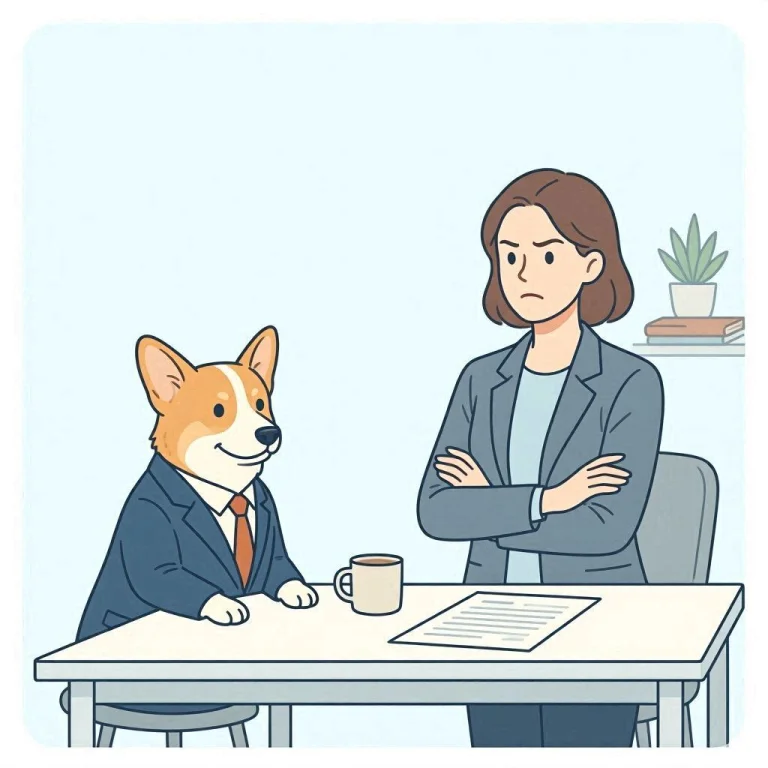
The essentials in one sentence
"Take it or leave it" fakes total deadlock to make you cave under pressure. The counter: stay calm, neither cave nor walk out; restate your value, isolate THE one point that would unlock the deal, and propose a concrete trade.
What the recruiter says
"Look, this is our best offer. Take it or leave it."
You can spot this one immediately: the recruiter's tone hardens and they fake total deadlock to make you cave. The shift in register is deliberate — the conversation goes from an open exchange to a guillotine drop, often topped off with a sigh or a pointed look. The aim is to trigger an emotional reaction: fear of losing everything, the urge to just get it over with. The trap leans on urgency, because a cornered candidate says "yes" faster than one who takes a moment to breathe.
Why the recruiter does it (the stakes)
"Take it or leave it" is as much a test of nerve as it is a closing tactic. In the vast majority of cases, the recruiter still has room to move — if they genuinely didn't, they wouldn't need to stage it so insistently. A real wall doesn't need announcing; a fake one does.
Two things are going on here. The recruiter wants to close fast at their number, and they're banking on your negotiation fatigue to get there. They know you've already invested time, that you can picture yourself in the role, and that blowing the whole thing up over a few thousand pounds feels uncomfortable. A candidate who panics signals they have no other option and can be held to the number. A candidate who stays calm and constructive flips that test on its head — suddenly they're the one who looks like they have a choice.
Why a precise answer changes everything
Two losing reactions lurk behind an ultimatum: caving ("fine, that number works") or walking away ("then count me out"). Both hand the recruiter exactly what they wanted — a decision made in the heat of the moment.
A sharper answer rejects that false choice altogether. Rather than answering "yes" or "no" to the whole package, it isolates one single point that would unlock the deal and puts it on the table calmly. You come across as ready to sign — genuinely constructive — but on one precise condition, which turns an ultimatum into a final round of fine-tuning. Staying calm is the real weapon here: it signals you're not cornered at all.
The counter
The rules at work here are the non-base lever (rule 5) and composure (rule 2): without calm you crack, without a lever you have nothing to propose. The counter has three steps:
- Stay calm and pause. Don't answer in a split second. "I understand, and I really want this role. Let me reframe one point." Controlled silence defuses the pressure.
- Isolate THE one point that would unlock the deal. "On the whole, we agree. The only gap left is [the base / the bonus / the review date]."
- Propose a concrete trade. "If the base can't move, would a signing bonus or a six-month review be possible? With that, I sign." You offer a way up, not a tug-of-war.
Good answer versus excellent answer
A good answer holds firm without collapsing or walking out:
"I understand, but at that number I can't commit."
It holds up — you don't cave and you don't slam the door — but there's a better version of this. You're essentially sending the ultimatum straight back without offering any way through. The recruiter now faces a deadlock that mirrors their own, and the conversation risks freezing solid for lack of an exit route.
The excellent answer stays calm, isolates the key point, and offers the trade:
"I understand, and let me be clear: I really want this role and I'm ready to sign. On almost everything, we're aligned. The only real point is the base. If the budget is locked there, can we offset it with a signing bonus or a six-month review clause? With either one, I say yes today."
The difference isn't how firm you are — it's the route you offer. You turn a wall into a narrow door the recruiter can step through without losing face.
Stay human: read the room
Remember there's a person on the other side, sometimes under their own pressure from above to close the deal fast. "Take it or leave it" isn't always a cynical threat — sometimes it's just a tired recruiter repeating an instruction they've been handed. Read the situation accordingly. An aggressive tone calls for even more noticeable calm, since the contrast does the soothing for you; genuine weariness calls for cooperation instead ("help me find the argument that gets this through internally").
You're not trying to win a tug-of-war. You're giving the recruiter a reason to reopen the door they just closed. More often than not, the calmest person in the room gets the last word.
Frequently asked questions
What if the ultimatum is genuine? Even then, answering calmly costs you nothing — at worst, you sign on the stated terms, exactly as you would have done by caving straight away. Staying constructive carries no downside and plenty of upside.
Should I bluff about having another offer? Only if one actually exists. A bluff that gets called out wrecks your credibility for the rest of the conversation. You're better off leaning on your value and proposing a concrete trade, since neither depends on a lie holding up.
How long should I wait before answering? A few seconds of silence is usually enough to break the urgency. You can also ask for a short delay ("let me think it over until tomorrow") — a recruiter who refuses even that confirms it was a pose all along.
This trap is one of 10 recruiter traps worth knowing. Its closest cousins are the exploding offer and the free concession — worth reading next.
Put it into practice
Apply the advice from this article with the free Epimoni tool: Prepare my salary negotiation